Turning Market Vegetables Into a Simple Supper
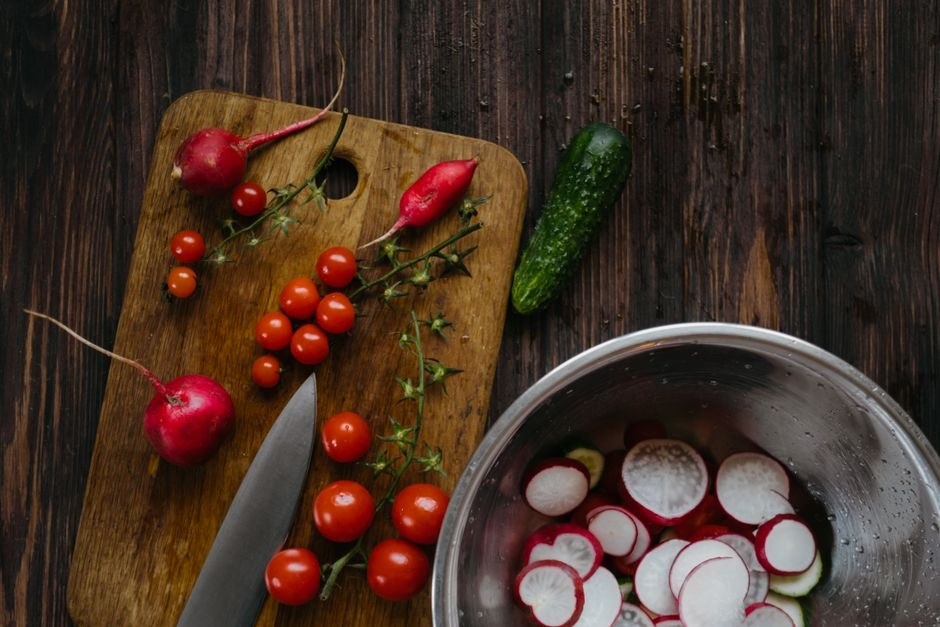
A market basket rarely arrives home with a precise recipe attached. That is part of its charm. A bunch of radishes, ripe tomatoes, herbs, a cucumber, and a few peppers can become dinner without turning the evening into a project. The useful skill is not memorising one dish; it is learning how to combine what looks good.
Choose contrast rather than quantity
Three or four vegetables are usually enough. Look for contrast: something crisp, something juicy, something that takes heat well, and perhaps a herb or leafy element. When every ingredient brings a different texture, the meal feels varied even when the cooking is simple.
At home, wash everything at once and place it where you can see it. This small step makes it easier to decide what should stay raw and what would benefit from a pan, oven, or grill.
Cook one part, keep one part fresh
A satisfying vegetable supper often combines temperatures and textures. Peppers can be blistered until soft while tomatoes stay fresh. Radishes can be sliced raw while their greens are quickly wilted. Courgettes can be browned in a pan and finished with herbs just before serving.
Do not feel obliged to cook every vegetable separately. A single tray or wide pan is usually enough. Give firmer ingredients a head start, then add quicker-cooking pieces later.
Add something that makes it a meal
Vegetables become supper when they have a supporting base. That might be warm bread, rice, couscous, beans, lentils, eggs, or a piece of cheese. Choose one rather than several. The goal is a meal that feels complete without hiding the produce you bought because it looked good.
A quick sauce can tie the plate together. Yogurt with lemon, olive oil with herbs, or a spoonful of mustard loosened with vinegar all work. Taste for acidity near the end; vegetables often become livelier with a squeeze of citrus or a splash of vinegar.
Build the plate at the table
Instead of combining everything in the kitchen, bring the components to the table: warm vegetables, fresh slices, herbs, bread or grains, and the sauce. People can assemble their own plates, and leftovers remain easier to reuse the next day.
If there are extra roasted vegetables, fold them into an omelette or grain bowl. Fresh herbs can become a dressing. Bread can be toasted. Flexible cooking works best when tomorrow’s lunch is considered a continuation rather than a separate plan.
Market cooking is less about perfection than responsiveness. Buy what is in good condition, treat it simply, and let texture and freshness do most of the work. The result is the kind of supper that feels generous without requiring a complicated recipe.