What to Notice on a Woodland Mushroom Walk
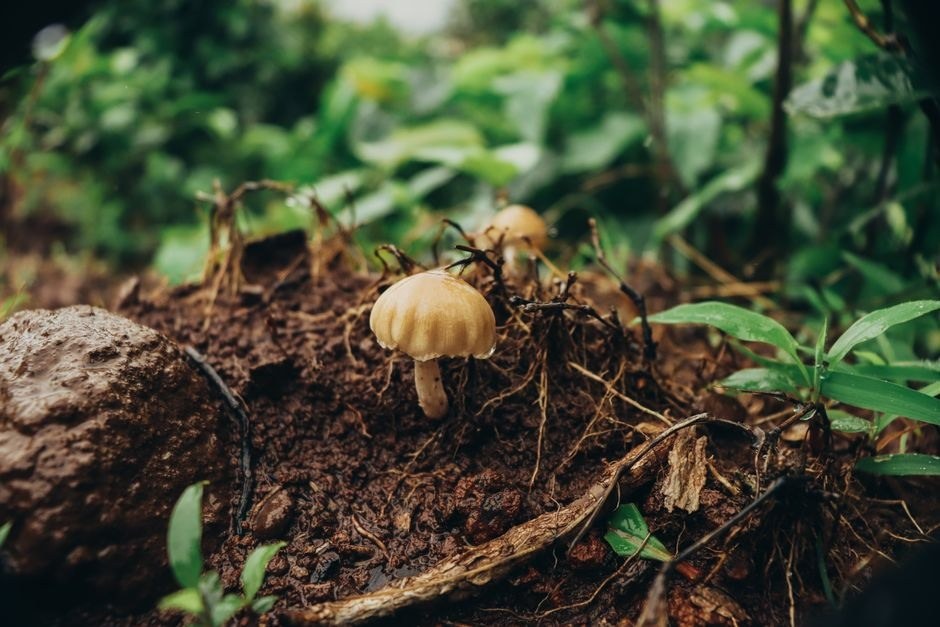
After a few wet days, a woodland path can seem to change overnight. Small caps appear beside roots, bracket fungi edge out from old trunks, and pale stems push through leaf litter that looked empty a week earlier. You do not need to identify every species to enjoy the variety. Simply noticing where fungi grow and how different forms occupy the forest can turn an ordinary walk into a slow study of the ground.
For an observation-focused walk, the best equipment is simple: comfortable shoes, clothing suited to the weather, and perhaps a small camera or notebook. Leave fungi in place unless you are participating in a properly guided activity; many species are difficult to identify accurately, and the woodland is more interesting when its details remain for the next visitor.
Begin with dead wood
Fallen branches, old stumps, and decaying logs are good places to pause. Look along the shaded underside as well as the top. You may find tiny clustered caps, leathery shelves, or patches that look almost like paint on the wood. A single log can host several textures at once.
Notice the relationship between moisture and location. Fungi often appear where water lingers, where bark has broken, or where a trunk meets the soil. These patterns are easier to remember than a list of names.
Change your viewing height
Most woodland walking happens at eye level, while much of the interesting detail is near your feet. Crouch down beside the path and the scale changes. A mushroom that seemed insignificant from above may have a deeply ridged cap, delicate gills, or a stem emerging through a miniature landscape of moss.
Looking low also reveals how leaves, needles, twigs, and small plants create layers around the fungi. If you are taking photographs, include some of that context rather than isolating every subject.
Notice colour after rain
Wet weather deepens browns, greens, oranges, and reds. Moss becomes brighter, bark darkens, and pale fungi stand out more clearly. Even species with muted colours can be striking against a damp log or a carpet of leaves.
Cloudy conditions are often helpful for close observation because the light is soft. Glossy caps and wet leaves can be difficult in strong sun, while an overcast sky keeps the scene even and calm.
Keep a small field note
A useful note does not need a scientific name. Write down the date, weather, broad habitat, and where the fungus was growing: soil, leaf litter, stump, living tree, or fallen wood. Add a quick description of size, colour, and shape. Over several walks, you may start to notice seasonal patterns.
The point of the walk is not to complete a checklist. It is to become more attentive to a part of the forest that is easy to overlook. Once you begin noticing fungi, the woodland floor stops looking like background and becomes a landscape in its own right.